
Hart Porter House and Outbuilding
A Hidden Chapter of Abolitionist Resistance in Manchester
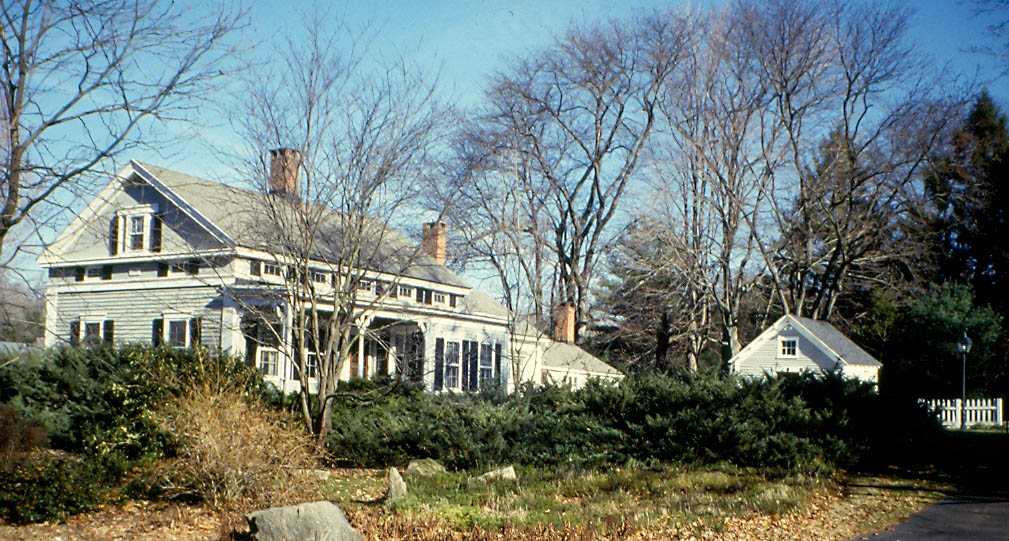
The Hart Porter House and Outbuilding, located in Manchester, Connecticut, is a compelling site tied to oral histories of the Underground Railroad. This covert network helped enslaved African Americans escape to freedom before the Civil War. Although Manchester was not widely known as a central stop along the Underground Railroad, this site reveals the quiet yet powerful efforts of individuals who supported the abolition cause within their own homes and communities.
A Trap Door to Freedom: Oral Tradition and Architecture
Built between 1840 and 1845 by Hart Porter, this home features an adjacent outbuilding that—according to oral tradition—served as a hiding place for enslaved people seeking freedom. The outbuilding includes a full basement that is accessible only by a concealed trap door, a feature commonly associated with secret shelters on the Underground Railroad.
While physical evidence of Underground Railroad activity can be hard to verify, this architectural element, combined with historical context, offers a persuasive clue that the Porter household may have provided sanctuary during a time of great risk.
Ties to Abolitionist Faith and Community
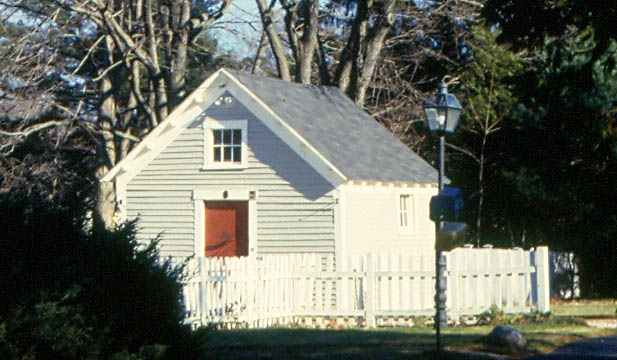
Hart Porter’s connections to local abolitionist movements deepen the site’s significance. He was married by an abolitionist pastor at the Methodist Church in Manchester, a congregation known for its anti-slavery activism. In 1843, famed abolitionist Frederick Douglass spoke at an anti-slavery convention hosted by the church, suggesting a robust abolitionist presence in the area.
These connections imply that Porter, through faith and community, may have shared in the era’s moral urgency to resist slavery—offering his home and outbuilding as part of that resistance.
This Site is Private Property
Please note: The Hart Porter House and Outbuilding are privately owned and not open to the public. Visitors are encouraged to reflect on the historical importance of the site and respect the privacy of the current residents.
Location
Manchester, Connecticut 06040
Sources
Diana McCain, “The Underground Railroad in Connecticut, Phase II,”
Unpublished notes and photographs, 2002.
Connecticut Commission on Culture & Tourism, Hartford.