
Walter Bunce House
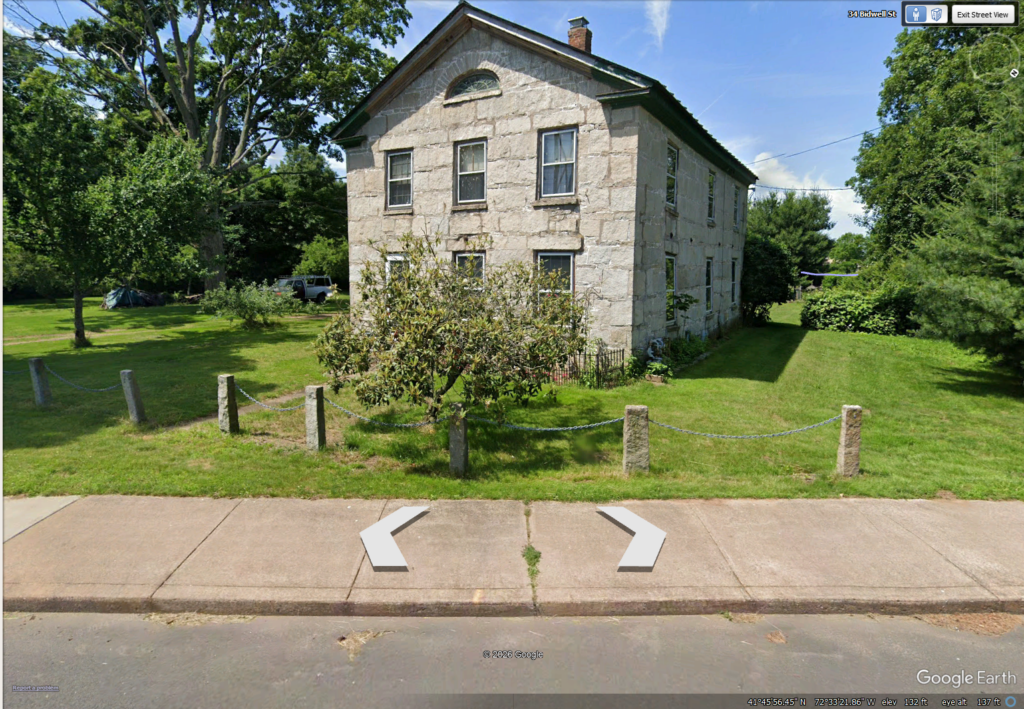
A Testament to African American Craftsmanship in New England
Historic Fieldstone Architecture in Connecticut
While many structures in the American South are attributed to the skilled labor of African Americans, New England offers far fewer surviving examples. Yet in Manchester, Connecticut, stands a rare and enduring symbol of Black artistry and labor: the Walter Bunce House, constructed by Alpheus Quicy, a free African American stonemason.
About Alpheus Quicy: Black Artisan & Builder
Born in June 1774, Alpheus Quicy worked in real estate and construction alongside his father and brother throughout southeastern Connecticut. His legacy includes:
- Fieldstone houses for prominent local families
- Dams and other infrastructure in Manchester
- A reputation for excellence in craftsmanship despite operating in an era of racial inequality
The Walter Bunce House is the only known surviving fieldstone home built by Quicy, making it a precious and rare representation of Black labor and architectural talent in the region.
Walter Bunce House
Constructed with fieldstone by Alpheus Quicy, this home stands as a testament to Black agency, economic mobility, and skilled labor in post-Revolutionary New England.
- Site Type: Private Property
- Address: 34 Bidwell Street, Manchester, CT 06040
- Year Built: Late 18th to early 19th century (Exact year unknown)
- Significance: Only remaining structure built by Quicy
Please note: This site is located on private property and is not open to the public. Visitors are encouraged to respect the privacy of current residents.
Why It Matters
The Walter Bunce House challenges assumptions that New England’s built heritage was shaped solely by white hands. It helps underscore the presence, skill, and entrepreneurship of free African Americans like Alpheus Quicy—individuals who contributed to their communities through both economic and architectural legacies.
By recognizing sites like the Walter Bunce House, the Connecticut Freedom Trail expands our understanding of freedom, labor, and place-making in the American story.