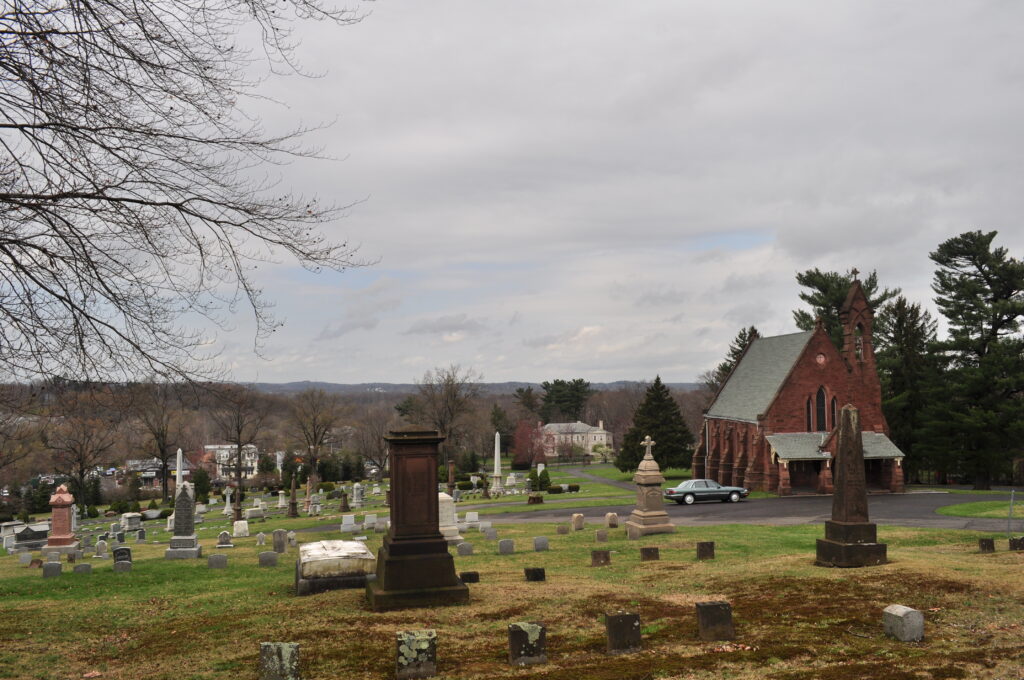
Quentin “Q” Williams Gravesite

Quentin “Q” Williams: Middletown’s Historic Voice for Justice
Quentin “Q” Williams: Middletown’s Historic Voice for Justice
State Representative Quentin S. Williams (1983–2023) was Middletown’s first Black state representative and a visionary public servant whose life embodied civil rights, community uplift, and the ongoing fight for freedom in Connecticut. His gravesite at Indian Hill Cemetery stands as a civic monument, a place of remembrance, reflection, and education about representation, equity, and democratic participation.
A Sacred Space of Civic Memory
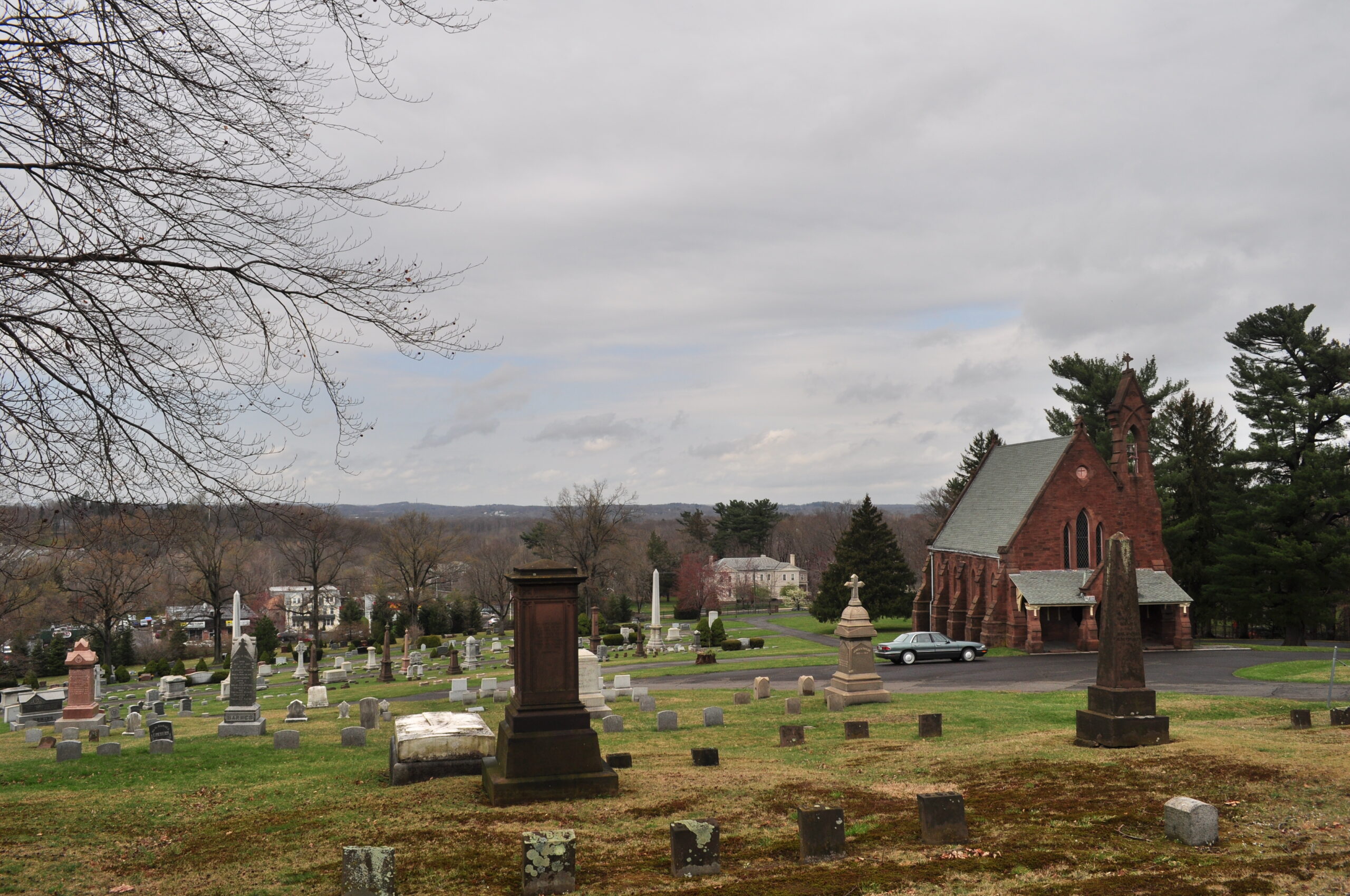
Located in the historic Indian Hill Cemetery (est. 1850), the gravesite serves as a gathering place for community members, youth groups, policymakers, and residents who come to reflect on Williams’s legacy. Vigils, memorial events, and quiet visits continue to take place here, transforming the site into a living classroom about justice and public service.
Breaking Barriers and Expanding Representation
Quentin Williams was born and raised in Middletown, a graduate of Middletown Public Schools, and later returned to serve the city with distinction. Before joining the General Assembly, he served as:
- Chair, Planning & Zoning Commission
- Middletown City Treasurer
- Community organizer and statewide advocate
In 2018, he became the first Black state representative in Middletown’s history, a milestone that reshaped local representation and inspired generations of young people.
Tragic Loss, Enduring Legacy
Williams was sworn in for his third term on January 4, 2023. Just hours later, he died in a tragic collision on Route 9 while returning from the Governor’s Inaugural Ball. The outpouring of statewide mourning—from vigils to legislative tributes—reflected the depth of his impact on civic life.
Legislative Achievements Advancing Civil Rights & Freedom
Representative Williams sponsored and co-sponsored major civil rights, housing justice, criminal-legal reform, and equity-driven legislation. His work directly expanded freedom for thousands of residents.
2019 Civil Rights Legislation
- S.B. 1022 — Minority Teacher Recruitment & Retention
- S.B. 992 — The TRUST Act
- H.B. 6921 — Council on the Collateral Consequences of a Criminal Record
- H.B. 5004 — Raising the Minimum Wage
2021 Civil Rights Legislation
- S.B. 1019 — Erasure of certain criminal records; anti-discrimination (criminal history)
- S.B. 999 — Just Transition to Climate-Protective Energy Production
- S.B. 972 — Free communication services for individuals in correctional facilities
- S.B. 891 — Foreclosure mediation reforms
- S.B. 753 — Ending prison gerrymandering in Connecticut
- S.B. 356 — Energy Efficiency Grants for Affordable Housing
- H.B. 6606 — Economic development in distressed communities
- H.B. 6531 — Right to Counsel in Eviction Proceedings
- H.B. 6463 — Reentry employment & DOC record protections
- H.B. 6034 — Supporting Project Longevity
Why This Site Belongs on the Connecticut Freedom Trail
The gravesite meets multiple Freedom Trail categories—Civil Rights and Concepts of Freedom—through its association with:
1. Representation and Democratic Participation
Williams broke racial barriers in elected office, transforming civic leadership in Middletown.
2. Legislative Civil Rights Impact
His legislation directly advanced economic justice, housing rights, prison reform, and equitable education.
3. Public Memory and Community Gathering
The gravesite is regularly used for vigils, visits, and educational reflection—a modern “Site of Conscience.”
4. African American Leadership in Connecticut History
Williams’s life and service form an essential chapter in the evolving story of Black political leadership in the state.