The Resting Ground of the Primus Family: A Legacy of Black Hartford
Concept of Freedom
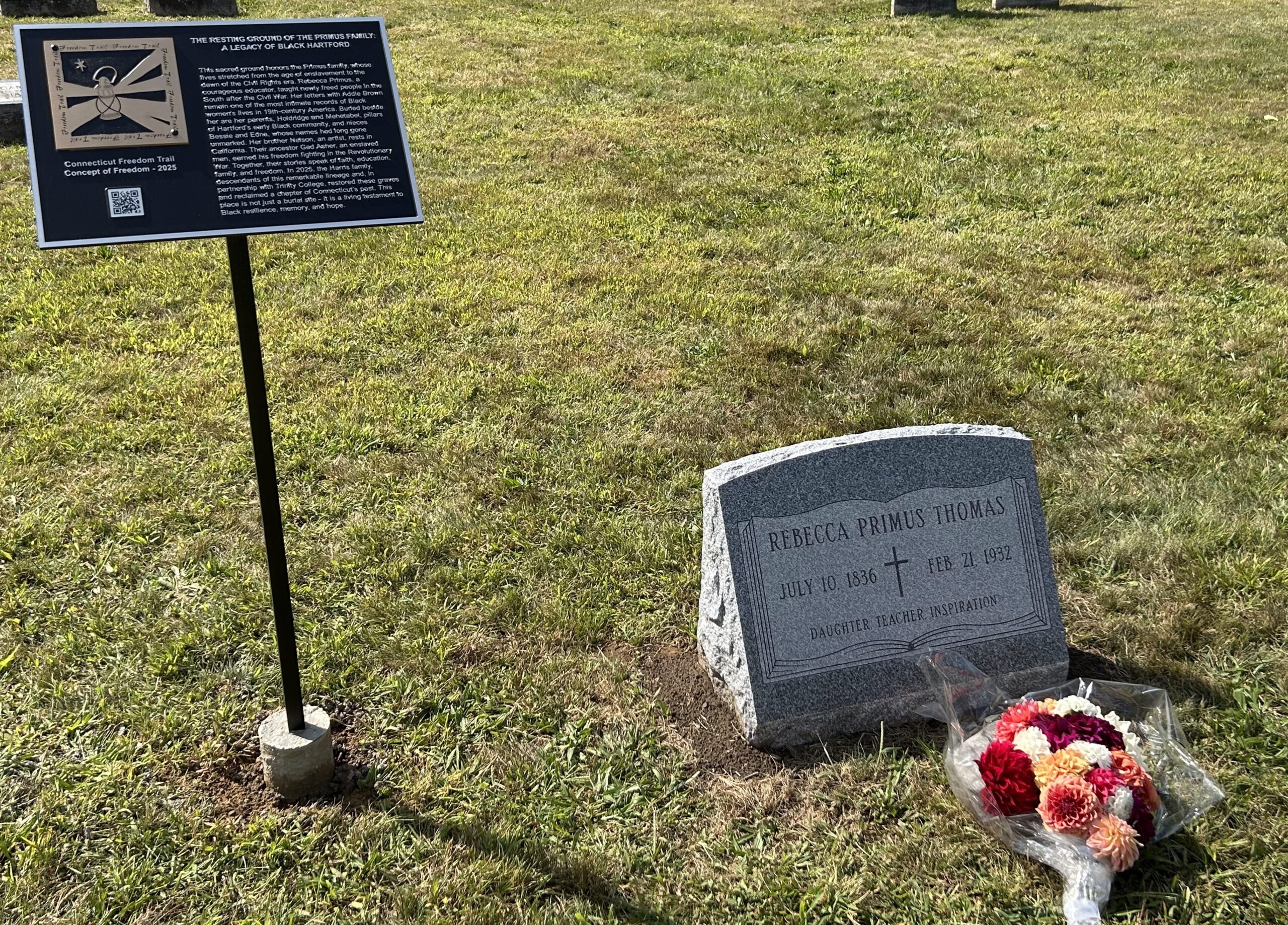
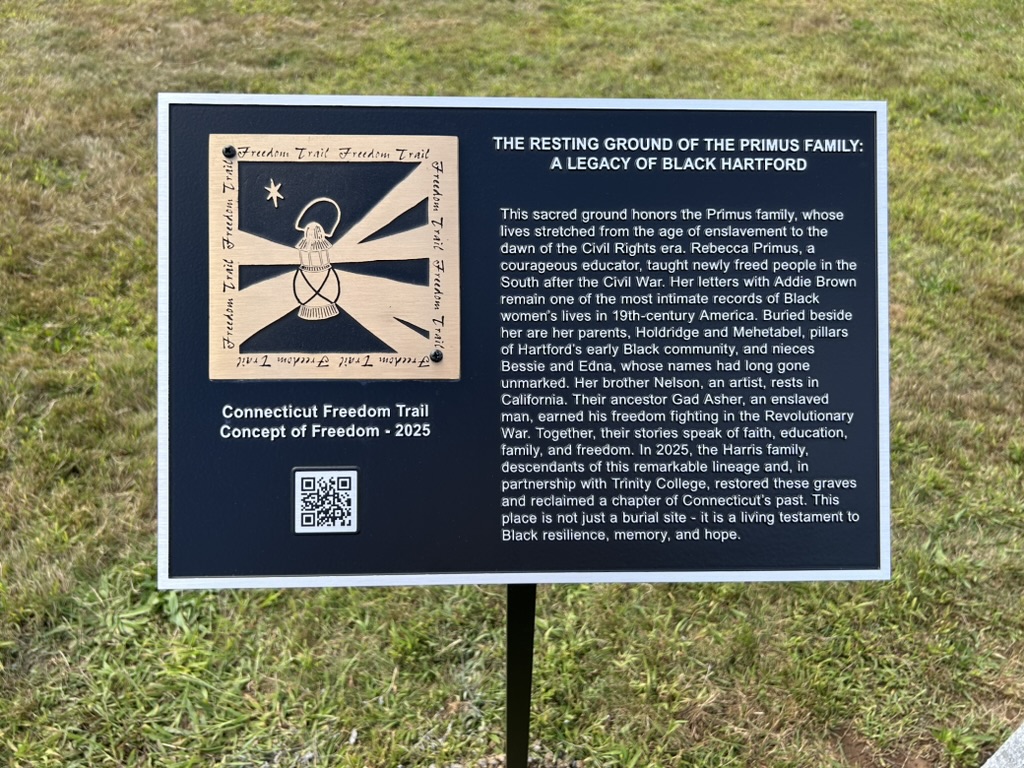
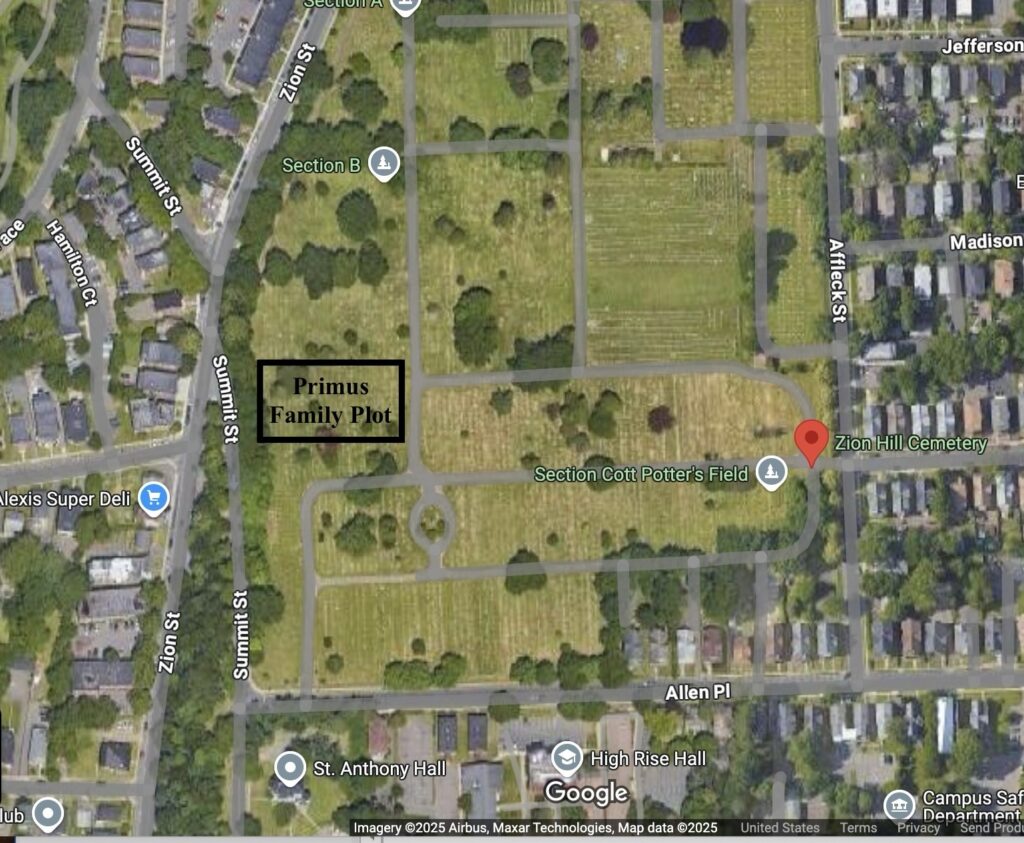
Perched atop the southwestern hill of Zion Hill Cemetery, The Resting Ground of the Primus Family honors one of Connecticut’s most distinguished African American families — whose roots in the state reach back to the mid-18th century. This serene burial site holds the stories of generations who shaped Black life in Hartford and beyond through education, faith, public service, and artistry.
Zion Hill Cemetery, owned and maintained by the City of Hartford, offers a quiet retreat from urban life. The cemetery sits within Hartford’s Frog Hollow neighborhood, which was listed on the National Register of Historic Places in 1979. In the 19th century, Frog Hollow was a thriving hub of working-class homes and factories, where families like the Primuses lived among immigrant laborers and small business owners. Though the area was known for its Irish and German communities in the 1840s, middle-class African American families also made their home here. In the 20th century, Frog Hollow became a center of life for Hartford’s Black and Puerto Rican residents.
Here at Zion Hill rest Holdridge Primus (1815–1884) and Mehetabel Primus (1817–1899), along with their daughters — Rebecca Primus Thomas (1837–1932), Henrietta Primus Mitchell (1839–1920), and Isabelle Primus Edwards (1845–1920) — and granddaughters Bessie Edwards (1850–1914), Edna Edwards (1882–1955), Lucille M. Edwards (1877-1897), and Nellie F.V. Edwards Singleton (1875-1932).
Their lives went on to bear witness to a powerful legacy of Black resilience, leadership, and civic engagement in the North.
The Emergence of a Teacher, and Inspiration
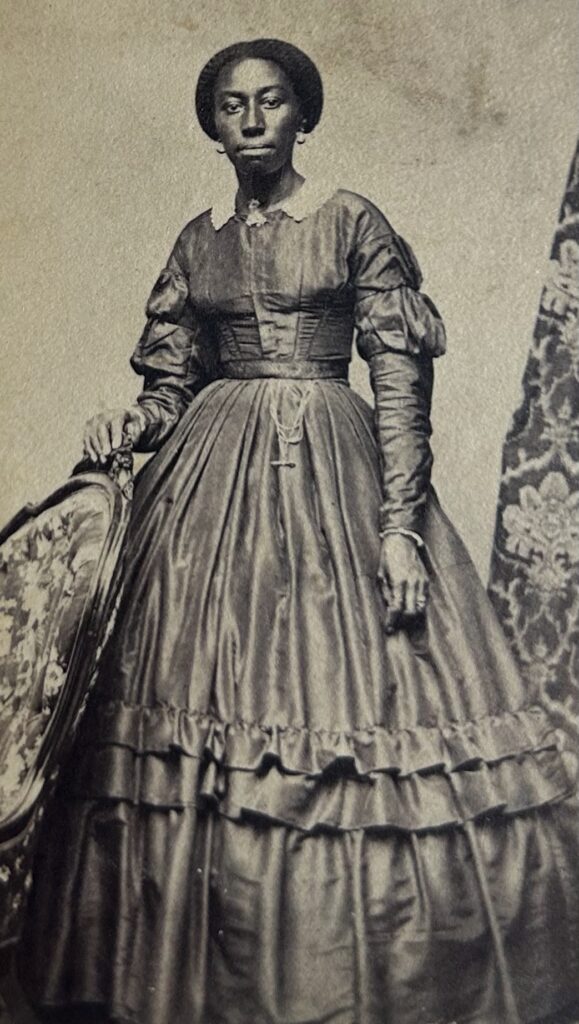
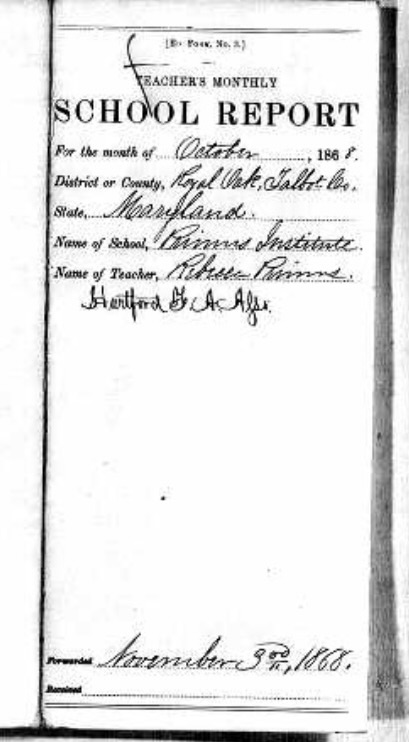
Among the most notable figures buried at Zion Hill is Rebecca Primus, a pioneering educator and one of the first Black women teachers in Hartford. At a time when public schools were segregated and offered little to no support for Black students, Rebecca taught in the city and later took her commitment to education to the South. In 1865, shortly after the Civil War, she was selected by the Hartford Freedmen’s Aid Society — led by Calvin Stowe, husband of Harriet Beecher Stowe — to teach newly freed Black communities in Royal Oak, Talbot County, Maryland. Working first in a church, she soon raised funds to establish a permanent school, which the community named The Primus Institute in her honor. Rebecca was born free, and she used education as a tool for liberation and empowerment — both for herself and for those she served.
Rebecca’s life is also preserved through a remarkable correspondence with her romantic partner, Addie Brown (1841-1870), who had previously bordered with the Primus family. Their letters offer an intimate and rare record of Black women’s lives, labor, intellectual community, and love in the 19th century — an enduring testament to both personal and collective freedom.
Planting the Family’s Roots, and Legacy
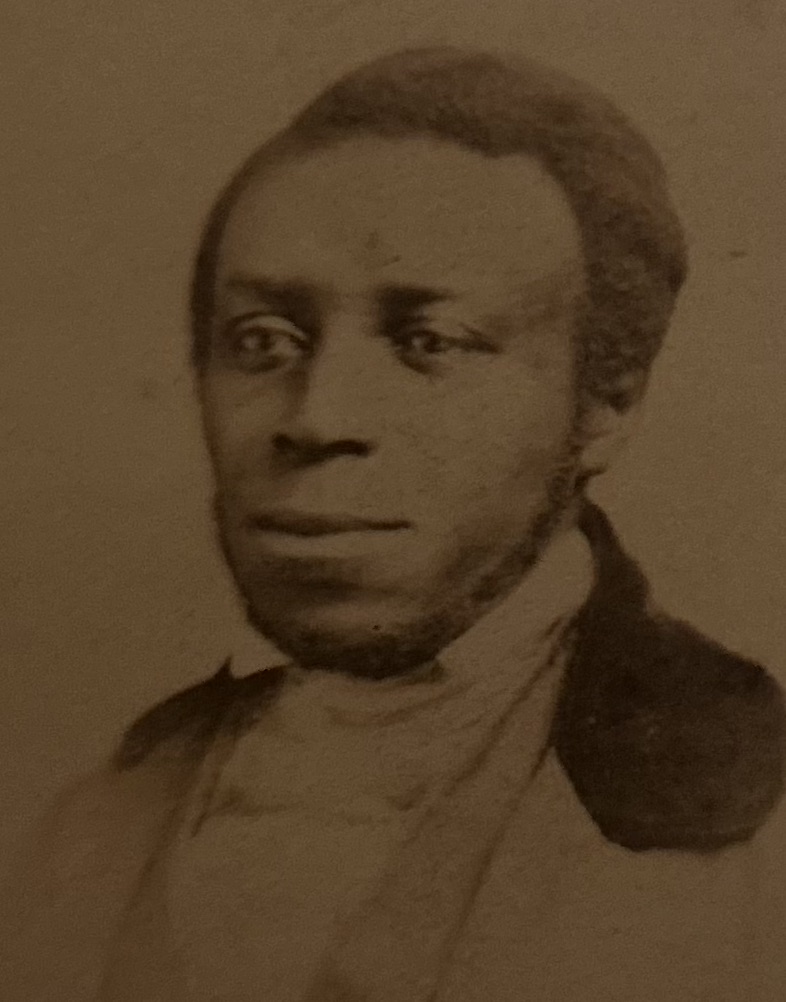
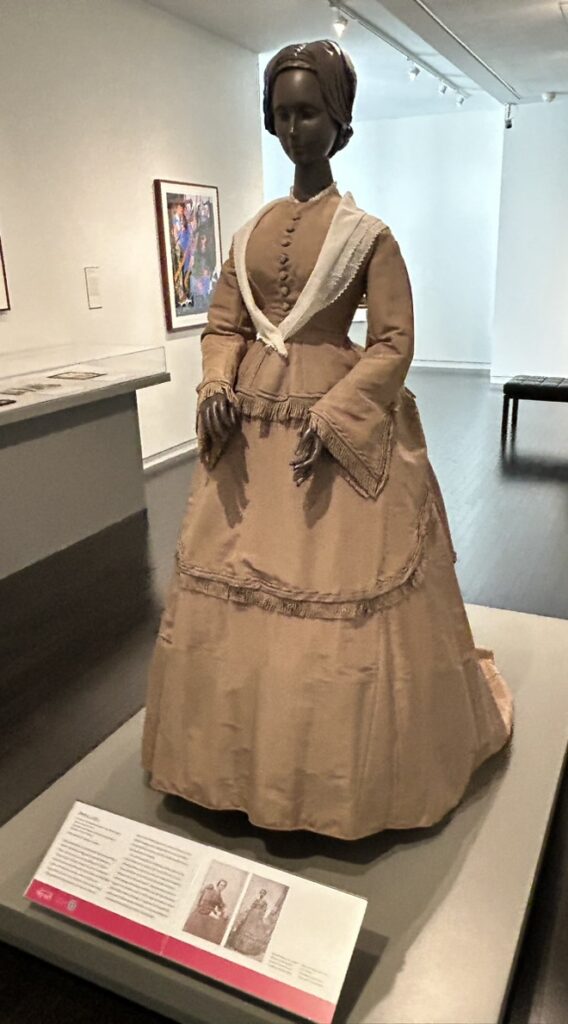
Rebecca’s father, Holdridge Primus, born in Guilford, came to Hartford just before 1830 seeking better opportunities. His first job was as a servant in the household of William W. Ellsworth, a lawyer, congressman, and member of Hartford’s elite. Holdridge later worked as a grocery clerk and was a devoted founding member of Talcott Street Congregational Church, Hartford’s first Black church. He descended from Ham Primus (1787-1767) and Temperance Asher (1787-1837) of Guilford, and his maternal grandfather, Gad Asher (abt. 1740–1835), was an enslaved man who fought for his freedom during the Revolutionary War (see to explore more, below). Mehetabel Primus, Rebecca’s mother, traced her roots to Jeremiah Jacobs (1786–?), believed to be part of the first Black family to settle in Hartford. She taught sewing and domestic skills to young Black women, mentoring and helping them build independent lives before and after the Civil War.
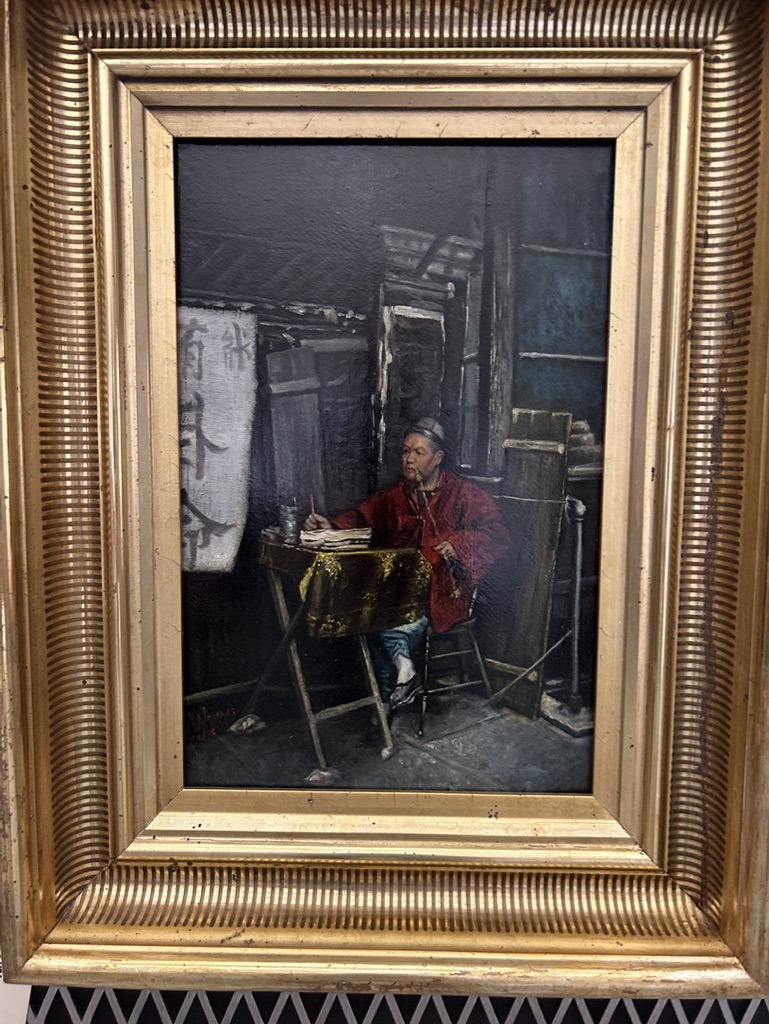
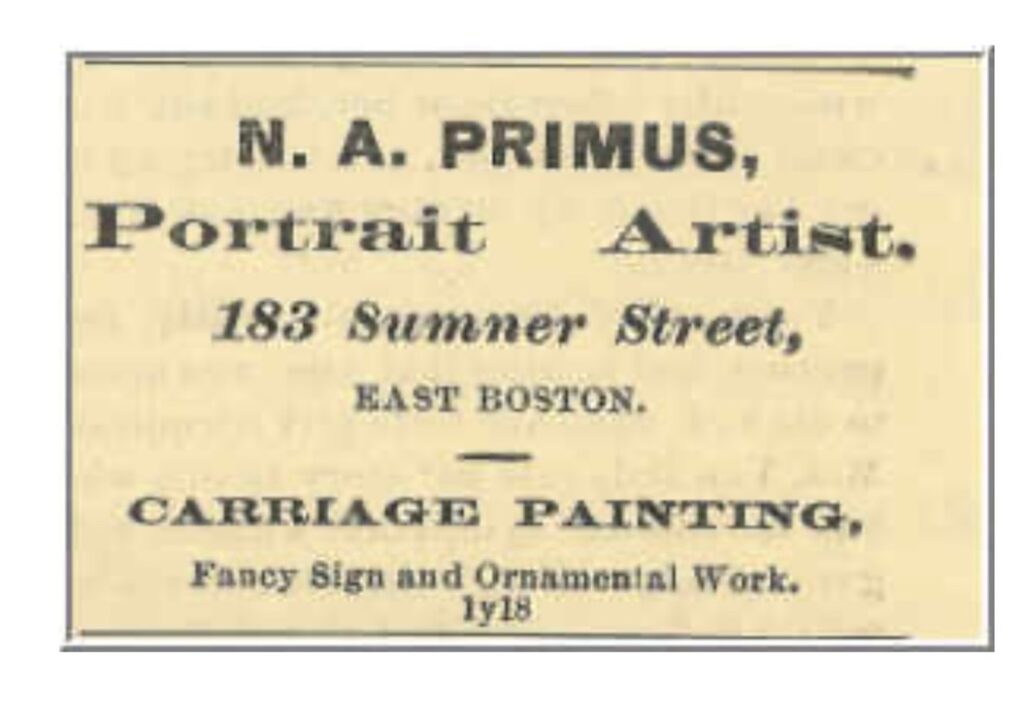
Though not buried in Zion Hill, Nelson A. Primus (1843–1916), Rebecca’s brother, was raised in Hartford but spent a significant amount of time in Boston, eventually becoming a nationally recognized painter, known for his portraits of Boston politicians and prominent religious figures, and scenes of Black life in the American West. Even today, Nelson’s works are highly sought after. Nelson is buried in Colma, Calif.
For generations, the Primus family helped shape Hartford’s Black community as educators, artisans, spiritual leaders, and cultural figures. Their story deepens our understanding of the long Black freedom struggle in Connecticut and reminds us that the pursuit of dignity, opportunity, and justice has always had strong roots — even in Northern soil.
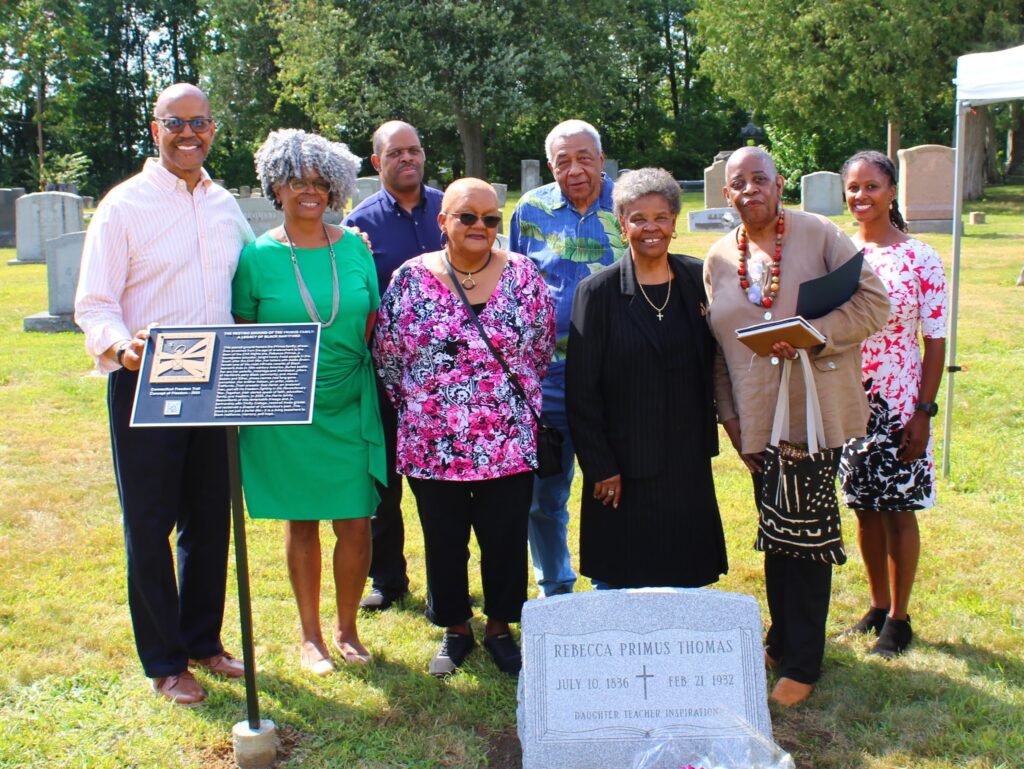
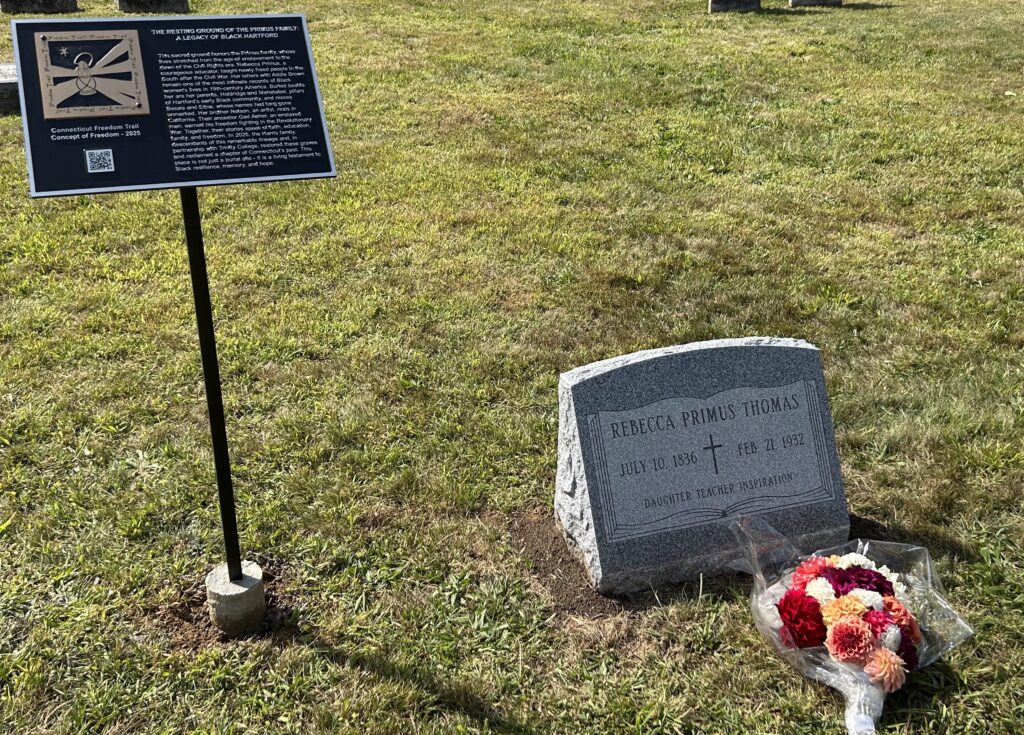
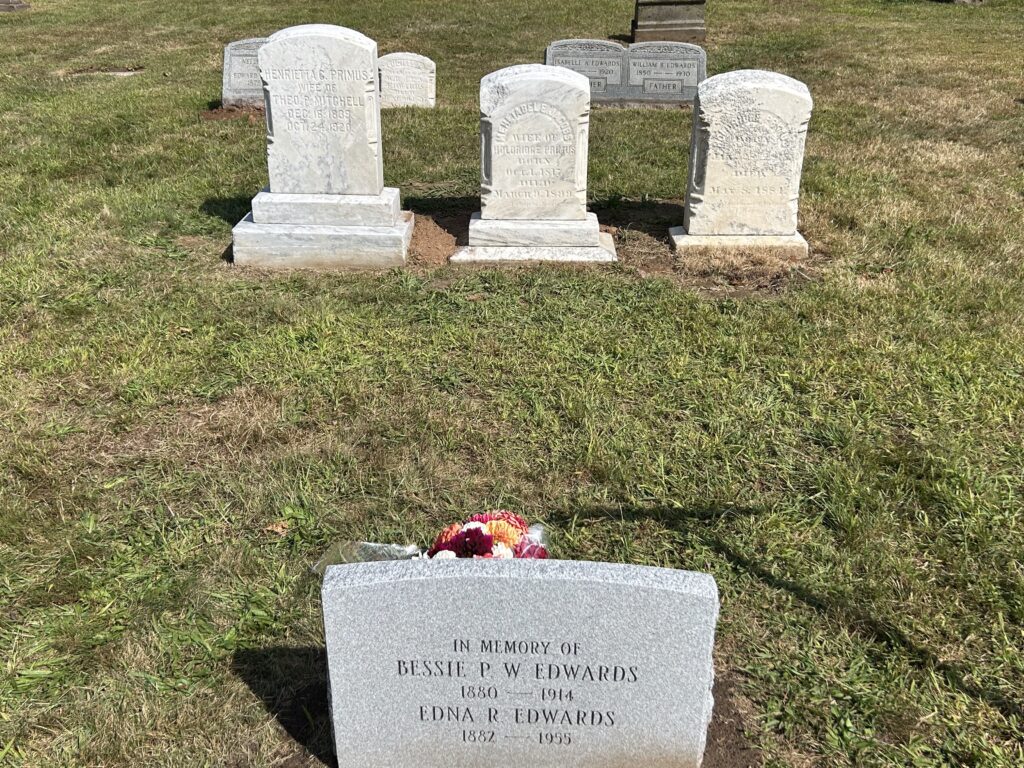
Zion Hill Cemetery holds that Northern soil — and with it, a powerful chapter of African American history in Connecticut. In the summer of 2025, the Harris family, descendants of the Primus line, worked in collaboration with the Primus Project at Trinity College to honor their ancestors, ensuring that a long-overdue headstone was finally placed at the grave of Rebecca Primus, unmarked for more than a century. The new stone also memorializes her nieces, Bessie and Edna, whose burials had likewise remained unrecognized for generations. Under the leadership of Jesse Harris, the family also restored older headstones belonging to other Primus relatives — preserving their memory and reaffirming their enduring place in Hartford’s story.
To explore more about the Primus Family, check out these resources:
Beeching, Barbara J., ‘Hopes and Expectations, The Origins of the Black Middle Class in Hartford’ State University of New York Press, Albany, N.Y., 2017.
Brown, Haines, ‘Citizens of Color, 1863–1890: The ‘Talented Tenth’’ From the exhibition of Hartford Black history, ‘A Struggle from the Start’ January 1998.
Griffin, Dr. Farah Jasmine, ‘Beloved Sisters and Loving Friends, Letters from Rebecca Primus of Royal Oak, Maryland, and Addie Brown of Hartford, Conn., 1854 -1868’ Alfred A. Knopf, New York, 1999.
Miller, Marla R. “Mehitable Primus and Addie Brown: Women of Color and Hartford’s Nineteenth-Century Dressmaking Trades,” included in ‘Dressing New England: Clothing , Fashion, and Identity,’ Dublin Seminar for New England Folklife Annual Proceedings, 2010, Deerfield, Mass.
‘The Colored People Who Live in Hartford,’ Hartford Courant, Sunday, Oct. 24, Page 25.
Svanevik, Michael & Svanevik, Shirley, “Pillars of the Past, At Rest at Cypress Lawn Memorial Park, 3d edition,” Cypress Lawn Heritage Foundation, Colma, Calif., 2023, Page 161.
White, David O. “Rebecca Primus Later in Life” from Dr. Farah Jasmine Griffin’s ‘Beloved Sisters and Loving Friends, Letters from Rebecca Primus of Royal Oak, Maryland, and Addie Brown of Hartford, Conn., 1854 -1868,’ Pages 279 – 284.
And these terrific online links:
Museum of the American Revolution: https://www.amrevmuseum.org/ offers a wonderful ‘Patriots of Color’ interactive collection focusing on the Black and Native American Continental Army soldier experience. A pay voucher and other documents tied to Gad Asher, a grandfather of Rebecca Primus and a member of the 7th Conn. Regiment, are featured.
Talbot Historical Society: https://talbothistory.org/ In Talbot County, Md., houses an impressive array of historic collections, documents, etc. not far from where Rebecca Primus operated her school, The Primus Institute. You’ll find her story under Collections & Archives. The society’s exhibits also include narratives on Frederick Douglass.